Marrybrown Franchise: Malaysia’s Homegrown Hero That Went Global

Okay, let’s be real for a second — whenever we think about fried chicken and fast food, the first names that pop into our heads are usually the big international giants. But what if I told you that Malaysia has its very own OG fast food hero that not only competes but thrives globally? Yup, that’s the Marrybrown franchise, and its story is as finger-licking inspiring as the food itself.

Marrybrown

From JB to the World 🌏

The Marrybrown franchise started back in 1981 in Johor Bahru, thanks to two visionaries, Lawrence and Nancy Liew. At a time when foreign brands dominated the scene, they dared to dream: “Why not Malaysia’s own fast food brand?” And guess what? That dream turned into reality — a crunchy, saucy, nasi-lemak-filled reality.

Fast forward to today, and Marrybrown is no small player. With over 500 outlets across 16 countries, this franchise has gone from a single shop lot in JB to spreading Malaysian flavour everywhere — from the Middle East to Africa.

What Makes the Marrybrown Franchise So Special? 🍗

Unlike others who stuck to burgers and fries, Marrybrown got creative. Sure, their fried chicken is legendary, but where else can you get Mi Kari MB, Nasi Marrybrown, and seasonal menus that actually vibe with local taste buds? This is the magic formula: fast food + cultural flavour = unforgettable experience.

And let’s not forget — Marrybrown is proudly halal certified. That’s a massive reason why the franchise resonates so strongly not only in Malaysia but also in Muslim-majority countries. Inclusivity with flavour? Big win.

Owning a Piece of the MB Dream 💡

So what’s it like to be part of the Marrybrown franchise? Well, it’s more than just selling fried chicken. Franchisees get a solid support system — from staff training to outlet design to marketing campaigns. Basically, the HQ makes sure you’re set up for success. Of course, it comes with its challenges (competition is fierce, and consistency is everything), but the system has been built to help entrepreneurs thrive.

Many local business owners see Marrybrown as not just an investment, but as joining a legacy of Malaysian pride. It’s about being part of something bigger than just another fast food chain.

Why It Matters 🏆

The Marrybrown franchise isn’t just about expanding outlets — it’s proof that a Malaysian brand can play in the global big leagues. It shows that when you mix authenticity with innovation, you create a product people trust and love.So next time you spot that iconic red-and-white logo, remember: you’re looking at more than a fast food joint. You’re looking at a homegrown franchise legend.

Seasonal Gardening Tips: What to Plant This Month

Why Seasonal Planting Matters

Gardening success often depends on timing. Planting the right crops in the right season ensures healthy growth, reduces the risk of pests, and leads to better harvests. By following a seasonal guide, even beginners can enjoy consistent results without frustration.

Cool-Season vs Warm-Season Plants

Plants thrive at different temperatures.

  • Cool-season plants (like lettuce, spinach, and peas) prefer cooler weather and can tolerate frost.
  • Warm-season plants (like tomatoes, peppers, and cucumbers) need more heat and should be planted after the last frost.

Knowing this difference helps you plan your garden efficiently.

Monthly Planting Suggestions

  • January–March (Early Year): Start hardy greens like kale, lettuce, and broccoli. Herbs such as parsley and coriander also do well.
  • April–June (Spring): Ideal for tomatoes, beans, cucumbers, and zucchini. Sunflowers and marigolds brighten up the garden.
  • July–September (Summer): Grow peppers, eggplants, basil, and okra. Hardy flowers like bougainvillea thrive in the heat.
  • October–December (Cooler Months): Plant root crops such as carrots, radishes, and beets. Leafy greens like spinach and mustard grow quickly in cooler weather.

(Tip: If you live in a tropical climate, you can plant year-round but should still follow rainy vs dry season patterns.)

Tools to Stay Organised

  • Keep a planting calendar to track sowing and harvesting times.
  • Use seed packets as guides for timing and spacing.
  • Consider succession planting — sowing seeds every few weeks to ensure a continuous harvest.

Final Thoughts: Grow with the Seasons

Gardening becomes much easier when you work with nature instead of against it. By planting according to the season, you’ll give your plants the best chance to thrive while reducing the need for extra maintenance. A little planning goes a long way in creating a healthy, productive garden all year round.

Healthy Smoothies with Ingredients from Your Garden

Why Garden-Fresh Smoothies?

Smoothies are a quick and easy way to enjoy a burst of nutrients. Using ingredients grown in your own garden makes them fresher, healthier, and more affordable. From herbs to leafy greens and seasonal fruits, your garden can supply most of what you need for wholesome drinks.


Herbs That Boost Flavour and Health

  • Mint: Refreshing and cooling, perfect for summer smoothies.
  • Basil: Adds a sweet, peppery kick, great with berries.
  • Parsley: Rich in vitamins, pairs well with citrus flavours.

Leafy Greens for a Nutrient Punch

  • Spinach: Mild taste, packed with iron and fibre.
  • Kale: Adds a stronger flavour and loads of antioxidants.
  • Lettuce: Light and hydrating, ideal for mellow blends.

Fruits to Grow and Blend

  • Bananas: Create a creamy base and natural sweetness.
  • Berries: Strawberries, blueberries, and raspberries are antioxidant-rich and tangy.
  • Citrus: Oranges and lemons brighten up any smoothie with vitamin C.

Simple Garden-to-Glass Recipes

1. Green Energy Smoothie
Spinach, banana, mint, and a splash of lemon juice blended with water or almond milk.

2. Berry Basil Blast
Strawberries, basil leaves, honey, and yoghurt for a refreshing summer drink.

3. Citrus Parsley Refresher
Orange, parsley, cucumber, and ginger blended with ice for a zesty kick.


Tips for Perfect Smoothies

  • Freeze fruits beforehand for a creamier texture.
  • Add seeds (chia, flax, or sunflower) for extra nutrition.
  • Balance sweet and tangy ingredients for the best flavour.

Final Thoughts: Freshness at Your Fingertips

Garden-grown smoothies are proof that healthy eating can be simple and delicious. With just a few fresh picks and a blender, you can enjoy nutrient-rich drinks that energise your day and make the most of your homegrown produce.

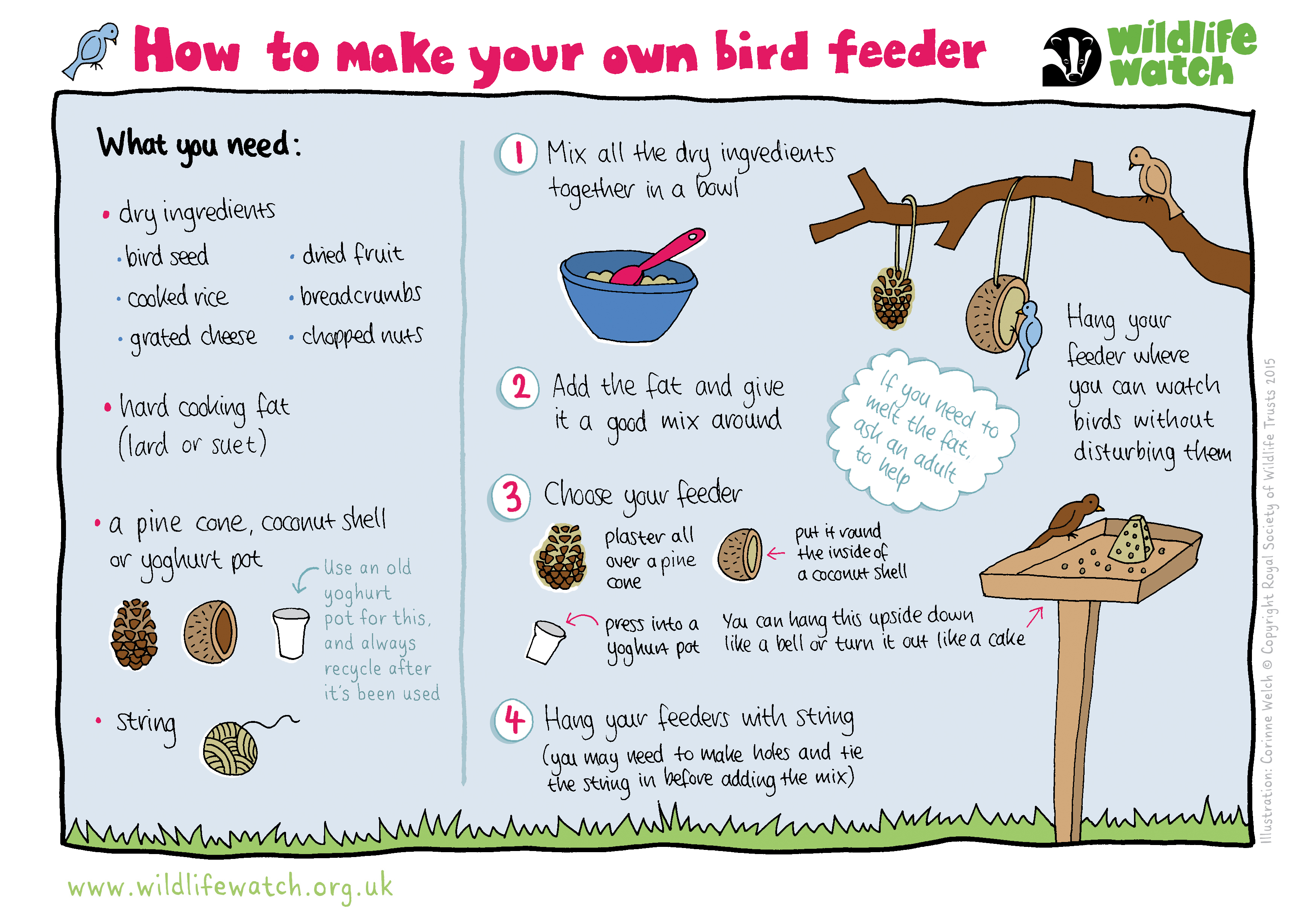
Step-by-Step Guide to Making Your Own Bird Feeder

Why Make a Bird Feeder?

Bird feeders bring more life and sound to your garden while helping local bird populations find food. They’re also fun projects you can do with kids, using simple materials you likely already have at home. Plus, watching birds gather outside is a relaxing and rewarding experience.

Materials You’ll Need

  • An empty plastic bottle or a milk carton
  • Wooden spoons or sticks (for perches)
  • String or wire (to hang the feeder)
  • Scissors or a craft knife
  • Bird seed mix

Step-by-Step Instructions

1. Prepare the Container
Clean your bottle or carton thoroughly. Make sure it’s dry before you start cutting.

2. Cut Feeding Holes
Cut small holes near the base of the container, just big enough for birds to peck through. If you’re using a plastic bottle, insert wooden spoons or sticks through the holes to create perches.

3. Fill with Bird Seed
Pour in your chosen seed mix — sunflower seeds, millet, or oats are great options. Don’t overfill; leave some space at the top.

4. Secure and Hang
Attach string or wire around the top of the feeder and hang it from a tree branch, balcony railing, or garden hook. Make sure it’s in a safe spot away from predators like cats.

5. Maintain Regularly
Refill the feeder as needed and clean it every couple of weeks to prevent mould or bacteria buildup.

Fun Variations

  • Use a pine cone coated in peanut butter and rolled in seeds for a quick feeder.
  • Repurpose old mugs by tying them to branches and filling them with seeds.
  • Build a wooden feeder for a sturdier, long-term option.

Final Thoughts: A Garden Full of Life

Making your own bird feeder is a quick, budget-friendly DIY project that benefits both you and your local wildlife. With just a few materials, you can create a welcoming space for birds while adding charm and activity to your garden.

Low-Maintenance Plants for a Stress-Free Garden

Why Choose Low-Maintenance Plants?

Not everyone has the time to dedicate hours to gardening, but that doesn’t mean you can’t enjoy a lush outdoor or indoor space. Low-maintenance plants are ideal for busy lifestyles — they require minimal care, adapt easily to different conditions, and still add beauty and freshness to your home.

Hardy Outdoor Options

  1. Aloe Vera – Known for its healing gel, aloe thrives in sunny spots and needs very little water.
  2. Snake Plant – Tolerates neglect, low light, and irregular watering. Its upright leaves make it an elegant addition to any garden.
  3. Bougainvillea – A colourful flowering plant that flourishes in hot climates and dry conditions with minimal watering.

Easy Indoor Choices

  1. Pothos – A trailing vine that grows well in low light and survives occasional missed waterings.
  2. Spider Plant – Resilient and adaptable, spider plants are great for hanging baskets and can thrive indoors with indirect light.
  3. ZZ Plant (Zamioculcas zamiifolia) – Nearly indestructible, this plant tolerates low light and long periods without water.

Edible Plants That Require Little Care

  • Mint – Grows quickly in pots, needs only partial sun, and comes back even after heavy harvesting.
  • Chilli Plants – Once established, they produce plenty of fruit with little attention.
  • Kale – Hardy and fast-growing, kale thrives with minimal effort and keeps producing leaves for weeks.

Tips for Stress-Free Gardening

  • Pick the right plant for your environment (sunlight, climate, space).
  • Use self-watering pots to reduce the hassle of frequent watering.
  • Mulch your soil to retain moisture and prevent weeds.
  • Group plants with similar needs together to make care easier.

Final Thoughts: Greenery Without the Effort

A stress-free garden doesn’t mean a dull one. By choosing low-maintenance plants, you can enjoy the beauty of nature without feeling overwhelmed by upkeep. Whether indoors or outdoors, these plants bring colour, health benefits, and serenity to your living space with minimal effort.

Easy Homemade Bread Even Beginners Can Bake

Why Bake Your Own Bread?

Homemade bread is fresher, tastier, and healthier than store-bought loaves. Plus, baking your own is surprisingly simple and rewarding. You don’t need to be an expert baker or own a bread machine — just a few ingredients and patience will give you a warm loaf straight from the oven.


Basic Ingredients

  • 3 cups all-purpose flour (or bread flour for extra chewiness)
  • 2 teaspoons instant yeast
  • 1 teaspoon salt
  • 1 tablespoon sugar
  • 1 cup warm water
  • 2 tablespoons olive oil or melted butter

Step-by-Step Method

1. Mix the Dough
In a large bowl, combine warm water, sugar, and yeast. Let it sit for 5 minutes until frothy. Add flour, salt, and oil, then stir until a dough forms.

2. Knead
Transfer the dough to a floured surface and knead for 8–10 minutes until smooth and elastic. (If you prefer, use a stand mixer with a dough hook.)

3. First Rise
Place the dough in a greased bowl, cover it with a cloth, and let it rise for 1–2 hours until it doubles in size.

4. Shape and Second Rise
Punch down the dough, shape it into a loaf, and place it in a greased loaf tin. Cover again and let it rise for 30–40 minutes.

5. Bake
Preheat the oven to 180°C (350°F). Bake for 25–30 minutes, or until the bread sounds hollow when tapped on the bottom.

6. Cool and Enjoy
Allow the bread to cool before slicing to keep the crumb soft and intact.


Variations to Try

  • Add herbs like rosemary or garlic for extra flavour.
  • Mix in seeds such as sesame or sunflower for a crunchy crust.
  • Swap some flour for whole wheat for a heartier loaf.

Final Thoughts: Fresh Bread, Made Simple

Once you try homemade bread, it’s hard to go back to packaged loaves. With minimal effort and basic ingredients, you can fill your home with the smell of fresh baking and enjoy bread that’s both delicious and wholesome.

Creative Indoor Herb Planters Made from Household Items

Why Indoor Herb Planters?

Fresh herbs can transform ordinary meals into something special, and having them within arm’s reach makes cooking easier. The good news? You don’t need fancy pots or expensive planters. With a little creativity, you can repurpose common household items into charming and practical herb containers.

Mason Jars as Rustic Planters

Mason jars are one of the simplest and most attractive options. They’re clear, easy to handle, and add a rustic charm to your kitchen windowsill. Just add a layer of pebbles for drainage, fill with potting soil, and plant herbs like basil, thyme, or parsley.

Tin Cans with a Pop of Colour

Instead of tossing out old food cans, clean and paint them to create vibrant herb planters. Punch a few holes at the bottom for drainage and line them with small stones. These colourful cans not only brighten your space but also reduce waste.

Teacups and Mugs with Personality

That mismatched teacup set or quirky mug in your cupboard can make an adorable mini herb planter. Perfect for small herbs like chives or mint, these planters add personality to your kitchen shelf or dining table.

Wooden Crates Turned into Herb Boxes

If you have an old wooden crate lying around, transform it into a multi-herb planter. Line it with plastic or a grow bag, fill it with soil, and plant a variety of herbs side by side. It’s a great way to keep everything organised while looking stylish.

Hanging Planters from Bottles

Cut plastic bottles or glass bottles in half and hang them with twine to create vertical herb planters. This saves space and adds a decorative touch to any wall or balcony. Herbs like coriander and oregano grow well in hanging containers.


Final Thoughts: Style Meets Function

Indoor herb planters don’t need to be expensive. With a bit of imagination, everyday household items can be repurposed into creative, eco-friendly planters that keep your kitchen stocked with fresh flavours. It’s a win-win for both your home and the environment.

Beginner’s Guide to Composting at Home

Why Composting Matters

Composting is one of the easiest ways to recycle kitchen and garden waste while creating a free, nutrient-rich fertiliser for your plants. Instead of sending food scraps to landfill, you can turn them into “black gold” that improves soil structure, boosts plant growth, and reduces household waste.

What You Can Compost

The key to successful composting is balancing greens (nitrogen-rich materials) and browns (carbon-rich materials).

  • Greens: Fruit and vegetable scraps, coffee grounds, tea bags, fresh grass clippings.
  • Browns: Dry leaves, cardboard, shredded paper, twigs.
    Avoid adding meat, dairy, oily food, or pet waste, as these can cause odours and attract pests.

Choosing a Composting Method

There are several ways to compost, depending on your space:

  • Compost Bin: Perfect for small backyards or balconies.
  • Compost Pile: Works well if you have a larger garden.
  • Worm Bin (Vermicomposting): Ideal for indoors or apartments — worms break down scraps quickly and produce nutrient-rich worm castings.

Step-by-Step Composting Process

  1. Layering: Start with a layer of browns at the bottom for airflow. Alternate layers of greens and browns.
  2. Moisture: Keep the pile damp, like a wrung-out sponge. Too dry? Add more greens. Too wet? Add more browns.
  3. Turning: Mix or turn the pile every 1–2 weeks to add oxygen and speed up decomposition.
  4. Patience: Compost can take 2–6 months to mature, depending on the method and conditions.

Using Your Compost

Once the compost is dark, crumbly, and has an earthy smell, it’s ready to use. Mix it into potting soil, spread it around plants as mulch, or use it to enrich garden beds. Your plants will thank you with healthier growth and better yields.


Final Thoughts: Small Effort, Big Rewards

Starting a composting habit at home may seem intimidating at first, but it’s simple once you get started. With the right balance of greens and browns, a little patience, and regular care, you’ll reduce waste and create natural fertiliser that makes your garden thrive.

One-Pot Meals for Busy Weeknights

Why One-Pot Meals?

After a long day, the last thing anyone wants is to spend hours cooking and cleaning. One-pot meals are the perfect solution — everything cooks in a single pan, pot, or wok, making dinner simple, quick, and less messy.


Comforting and Easy One-Pot Recipes

1. One-Pot Pasta Primavera
Cook pasta, seasonal vegetables, garlic, and olive oil together. Top with Parmesan for a fresh, wholesome dinner.

2. Chicken and Rice Casserole
A classic comfort dish where chicken, rice, and veggies cook together in one pot, flavoured with herbs and stock.

3. Beef and Vegetable Stir-Fry
Quickly toss thinly sliced beef with mixed vegetables and soy sauce in a wok for a satisfying meal in minutes.

4. Creamy Mushroom Risotto
Arborio rice, mushrooms, garlic, and stock cooked slowly in one pot until creamy perfection.

5. Spicy Chickpea Stew
A protein-rich vegetarian option with chickpeas, tomatoes, onions, and warming spices like cumin and paprika.

6. Seafood Paella
A Spanish-inspired dish with rice, prawns, mussels, and peas — all cooked in one pan with saffron or paprika.


Tips for Success

  • Prep ingredients before you start cooking to save time.
  • Use a heavy-bottomed pot or non-stick pan for even cooking.
  • Season gradually — add spices and herbs as the dish develops.

Final Thoughts: Dinner Made Simple

One-pot meals prove that delicious, hearty dinners don’t require endless dishes or complicated techniques. With a few fresh ingredients and a single pot, you can create comforting meals that fit perfectly into a busy lifestyle.

How to Build a Simple Outdoor Bench in One Weekend

Why Build Your Own Outdoor Bench?

An outdoor bench adds both function and charm to your garden, patio, or balcony. Store-bought benches can be expensive, but building your own saves money and gives you a custom piece that fits your style. With just a few tools and materials, you can complete this project over a weekend.

Materials You’ll Need

  • 2 wooden planks (for the seat and backrest)
  • 4 sturdy wooden legs (you can cut from 4×4 timber)
  • Screws or bolts
  • Drill
  • Sandpaper
  • Wood stain or paint (optional for finishing)
  • Measuring tape and pencil

Step-by-Step Instructions

1. Cut the Wood to Size
Decide how long and wide you want your bench. A standard size is about 4 feet long and 18 inches high. Cut the wood accordingly.

2. Assemble the Frame
Attach the legs to the seat plank using screws or bolts. Make sure the legs are evenly spaced and sturdy.

3. Add the Backrest
Secure a wooden plank vertically at the back of the seat to create support for your back. You can keep it straight or angle it slightly for comfort.

4. Sand and Smooth
Use sandpaper to smooth all surfaces and edges. This step prevents splinters and gives your bench a polished look.

5. Finish with Stain or Paint
If the bench will stay outdoors, apply a protective wood stain or paint. This helps prevent damage from rain and sunlight.

Design Variations

  • Add armrests for extra comfort.
  • Use recycled wood for a rustic, eco-friendly look.
  • Place cushions on top for added style and comfort.

Final Thoughts: A Weekend Well Spent

In just one weekend, you can build a practical and stylish outdoor bench that enhances your living space. It’s a rewarding DIY project for beginners and seasoned makers alike — simple, affordable, and useful for years to come.