
Monthly Archives: June 2025

Freezer-Friendly Meals You Can Prep in Advance

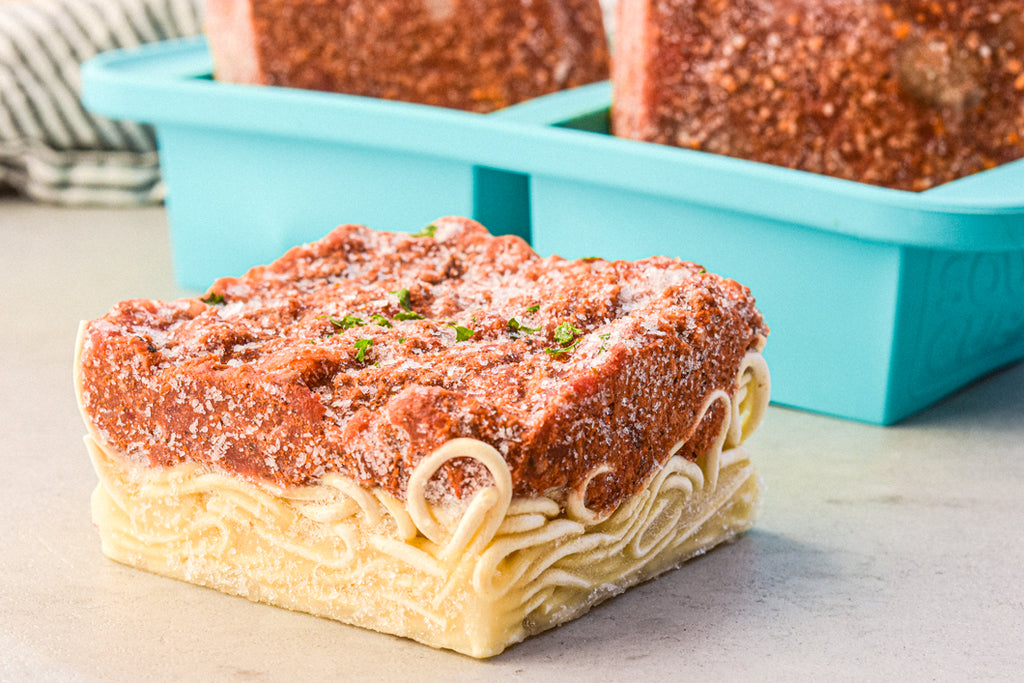
Why Freezer Meals?

Life can get hectic, and cooking every day isn’t always realistic. Freezer-friendly meals are a lifesaver — you prepare them ahead of time, freeze them, and reheat when needed. Not only do they save time, but they also reduce food waste and ensure you always have a healthy option ready.


Best Types of Freezer-Friendly Meals

1. Soups and Stews
Hearty dishes like chicken soup, beef stew, or lentil curry freeze well and taste even better after reheating.

2. Pasta Bakes
Cook pasta, mix with sauce, add cheese, and freeze in oven-safe containers. Perfect for quick weeknight dinners.

3. Casseroles
Shepherd’s pie, lasagne, and baked ziti are classics that hold up well in the freezer.

4. Marinated Meats
Freeze chicken, beef, or fish in a marinade — when defrosted, they’re already flavoured and ready to cook.

5. Breakfast Burritos
Wrap scrambled eggs, cheese, and veggies in tortillas. Freeze individually for grab-and-go breakfasts.


Tips for Freezing Meals Successfully

  • Let food cool before freezing to prevent ice crystals.
  • Use airtight containers or freezer bags to avoid freezer burn.
  • Label with dates to keep track of freshness.
  • Portion meals before freezing so you only defrost what you need.

Reheating Made Easy

  • Soups & stews: Reheat on the stove over medium heat.
  • Pasta & casseroles: Bake in the oven until warmed through.
  • Burritos & wraps: Microwave or heat in a pan for a crisp finish.

Final Thoughts: Meal Prep That Works for You

Freezer-friendly meals are a practical way to stay on top of busy schedules without sacrificing nutrition or taste. By dedicating just a few hours to meal prep, you can enjoy stress-free, home-cooked food all week long.


Budget-Friendly Patio Makeover Ideas

Why Refresh Your Patio?

Your patio is an extension of your home — a place to relax, entertain, or enjoy a meal outdoors. But creating a welcoming outdoor space doesn’t have to cost a fortune. With a little creativity and some DIY spirit, you can give your patio a whole new look on a budget.

Add Greenery with Potted Plants

Plants instantly bring life and freshness to any patio. Use affordable terracotta pots, recycled containers, or even hanging baskets to add colour and vibrancy. Mix flowers, herbs, and small shrubs for a balanced look.

DIY Outdoor Lighting

Lighting can change the entire mood of your patio. String lights, solar lanterns, or mason jar lamps are affordable ways to create a warm, inviting glow. For extra charm, wrap fairy lights around railings or trees.

Upcycle Old Furniture

Instead of buying new furniture, breathe new life into old chairs and tables with a coat of paint or new cushions. Wooden crates can be turned into side tables, while pallets can be transformed into stylish seating areas.

Add Outdoor Rugs and Cushions

Textiles make a big difference in comfort and style. Look for weather-resistant rugs and cushions to brighten up the space. Patterns and bold colours can give your patio a fresh, modern look without much expense.

Create a DIY Fire Pit or Focal Point

If your space allows, a small DIY fire pit made from bricks or stones can become the heart of your patio. Alternatively, add a focal point like a water feature or a wall of potted plants to draw attention.


Final Thoughts: Style Doesn’t Have to Be Expensive

A beautiful patio doesn’t require a big budget. By mixing greenery, creative lighting, and upcycled furniture, you can create a cosy outdoor retreat that feels inviting and personal. It’s all about making the most of what you already have and adding a few thoughtful touches.

Marrybrown Franchise: Malaysia’s Homegrown Hero That Went Global

Okay, let’s be real for a second — whenever we think about fried chicken and fast food, the first names that pop into our heads are usually the big international giants. But what if I told you that Malaysia has its very own OG fast food hero that not only competes but thrives globally? Yup, that’s the Marrybrown franchise, and its story is as finger-licking inspiring as the food itself.

Marrybrown

From JB to the World 🌏

The Marrybrown franchise started back in 1981 in Johor Bahru, thanks to two visionaries, Lawrence and Nancy Liew. At a time when foreign brands dominated the scene, they dared to dream: “Why not Malaysia’s own fast food brand?” And guess what? That dream turned into reality — a crunchy, saucy, nasi-lemak-filled reality.

Fast forward to today, and Marrybrown is no small player. With over 500 outlets across 16 countries, this franchise has gone from a single shop lot in JB to spreading Malaysian flavour everywhere — from the Middle East to Africa.

What Makes the Marrybrown Franchise So Special? 🍗

Unlike others who stuck to burgers and fries, Marrybrown got creative. Sure, their fried chicken is legendary, but where else can you get Mi Kari MB, Nasi Marrybrown, and seasonal menus that actually vibe with local taste buds? This is the magic formula: fast food + cultural flavour = unforgettable experience.

And let’s not forget — Marrybrown is proudly halal certified. That’s a massive reason why the franchise resonates so strongly not only in Malaysia but also in Muslim-majority countries. Inclusivity with flavour? Big win.

Owning a Piece of the MB Dream 💡

So what’s it like to be part of the Marrybrown franchise? Well, it’s more than just selling fried chicken. Franchisees get a solid support system — from staff training to outlet design to marketing campaigns. Basically, the HQ makes sure you’re set up for success. Of course, it comes with its challenges (competition is fierce, and consistency is everything), but the system has been built to help entrepreneurs thrive.

Many local business owners see Marrybrown as not just an investment, but as joining a legacy of Malaysian pride. It’s about being part of something bigger than just another fast food chain.

Why It Matters 🏆

The Marrybrown franchise isn’t just about expanding outlets — it’s proof that a Malaysian brand can play in the global big leagues. It shows that when you mix authenticity with innovation, you create a product people trust and love.So next time you spot that iconic red-and-white logo, remember: you’re looking at more than a fast food joint. You’re looking at a homegrown franchise legend.

Seasonal Gardening Tips: What to Plant This Month

Why Seasonal Planting Matters

Gardening success often depends on timing. Planting the right crops in the right season ensures healthy growth, reduces the risk of pests, and leads to better harvests. By following a seasonal guide, even beginners can enjoy consistent results without frustration.

Cool-Season vs Warm-Season Plants

Plants thrive at different temperatures.

  • Cool-season plants (like lettuce, spinach, and peas) prefer cooler weather and can tolerate frost.
  • Warm-season plants (like tomatoes, peppers, and cucumbers) need more heat and should be planted after the last frost.

Knowing this difference helps you plan your garden efficiently.

Monthly Planting Suggestions

  • January–March (Early Year): Start hardy greens like kale, lettuce, and broccoli. Herbs such as parsley and coriander also do well.
  • April–June (Spring): Ideal for tomatoes, beans, cucumbers, and zucchini. Sunflowers and marigolds brighten up the garden.
  • July–September (Summer): Grow peppers, eggplants, basil, and okra. Hardy flowers like bougainvillea thrive in the heat.
  • October–December (Cooler Months): Plant root crops such as carrots, radishes, and beets. Leafy greens like spinach and mustard grow quickly in cooler weather.

(Tip: If you live in a tropical climate, you can plant year-round but should still follow rainy vs dry season patterns.)

Tools to Stay Organised

  • Keep a planting calendar to track sowing and harvesting times.
  • Use seed packets as guides for timing and spacing.
  • Consider succession planting — sowing seeds every few weeks to ensure a continuous harvest.

Final Thoughts: Grow with the Seasons

Gardening becomes much easier when you work with nature instead of against it. By planting according to the season, you’ll give your plants the best chance to thrive while reducing the need for extra maintenance. A little planning goes a long way in creating a healthy, productive garden all year round.