
Monthly Archives: May 2025

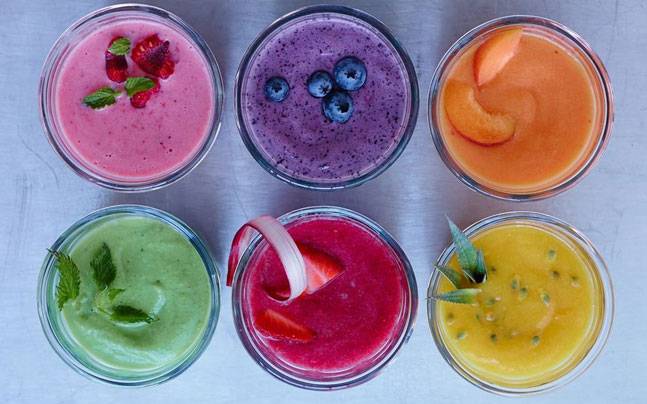
Healthy Smoothies with Ingredients from Your Garden

Why Garden-Fresh Smoothies?

Smoothies are a quick and easy way to enjoy a burst of nutrients. Using ingredients grown in your own garden makes them fresher, healthier, and more affordable. From herbs to leafy greens and seasonal fruits, your garden can supply most of what you need for wholesome drinks.


Herbs That Boost Flavour and Health

  • Mint: Refreshing and cooling, perfect for summer smoothies.
  • Basil: Adds a sweet, peppery kick, great with berries.
  • Parsley: Rich in vitamins, pairs well with citrus flavours.

Leafy Greens for a Nutrient Punch

  • Spinach: Mild taste, packed with iron and fibre.
  • Kale: Adds a stronger flavour and loads of antioxidants.
  • Lettuce: Light and hydrating, ideal for mellow blends.

Fruits to Grow and Blend

  • Bananas: Create a creamy base and natural sweetness.
  • Berries: Strawberries, blueberries, and raspberries are antioxidant-rich and tangy.
  • Citrus: Oranges and lemons brighten up any smoothie with vitamin C.

Simple Garden-to-Glass Recipes

1. Green Energy Smoothie
Spinach, banana, mint, and a splash of lemon juice blended with water or almond milk.

2. Berry Basil Blast
Strawberries, basil leaves, honey, and yoghurt for a refreshing summer drink.

3. Citrus Parsley Refresher
Orange, parsley, cucumber, and ginger blended with ice for a zesty kick.


Tips for Perfect Smoothies

  • Freeze fruits beforehand for a creamier texture.
  • Add seeds (chia, flax, or sunflower) for extra nutrition.
  • Balance sweet and tangy ingredients for the best flavour.

Final Thoughts: Freshness at Your Fingertips

Garden-grown smoothies are proof that healthy eating can be simple and delicious. With just a few fresh picks and a blender, you can enjoy nutrient-rich drinks that energise your day and make the most of your homegrown produce.
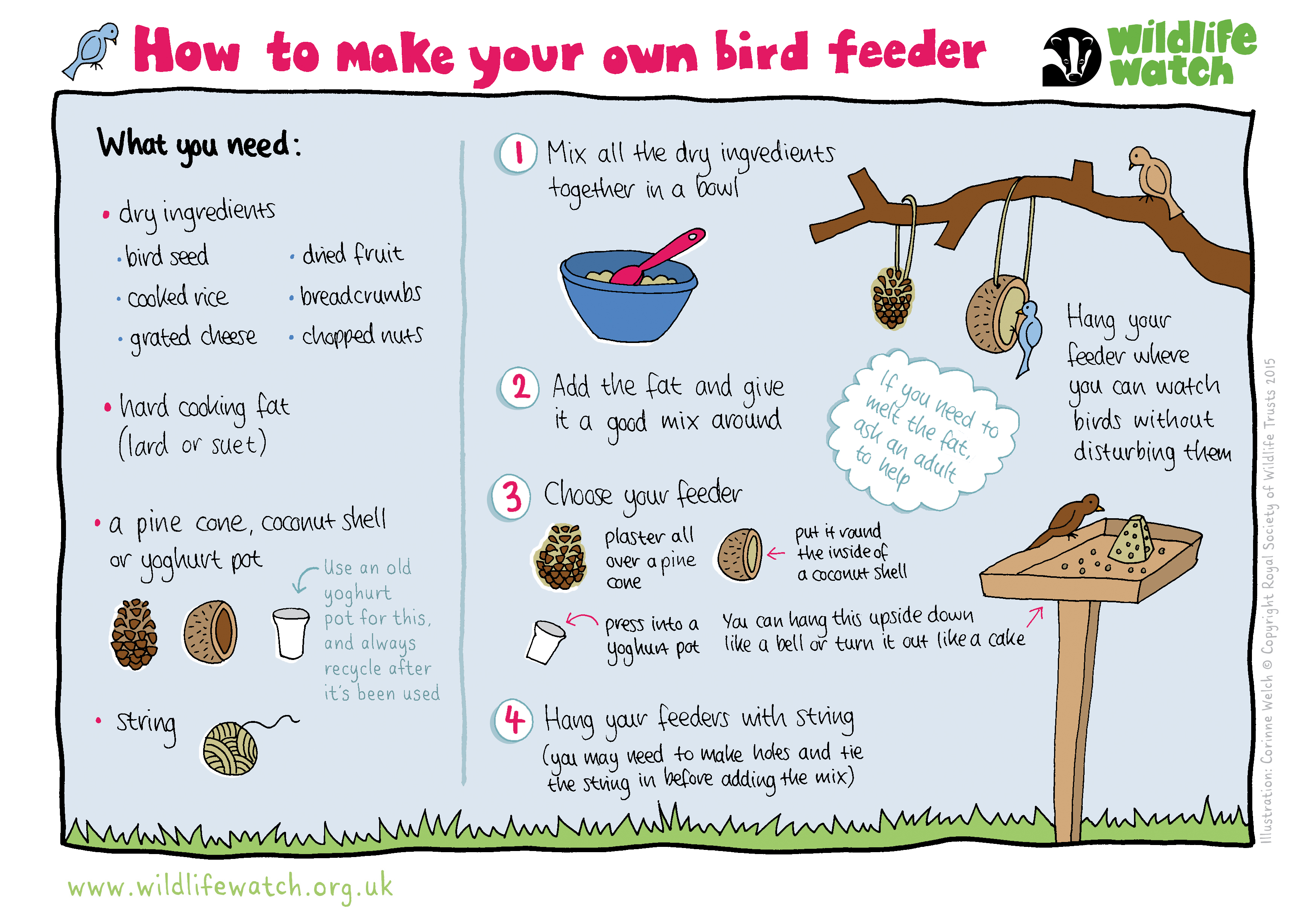
Step-by-Step Guide to Making Your Own Bird Feeder

Why Make a Bird Feeder?

Bird feeders bring more life and sound to your garden while helping local bird populations find food. They’re also fun projects you can do with kids, using simple materials you likely already have at home. Plus, watching birds gather outside is a relaxing and rewarding experience.

Materials You’ll Need

  • An empty plastic bottle or a milk carton
  • Wooden spoons or sticks (for perches)
  • String or wire (to hang the feeder)
  • Scissors or a craft knife
  • Bird seed mix

Step-by-Step Instructions

1. Prepare the Container
Clean your bottle or carton thoroughly. Make sure it’s dry before you start cutting.

2. Cut Feeding Holes
Cut small holes near the base of the container, just big enough for birds to peck through. If you’re using a plastic bottle, insert wooden spoons or sticks through the holes to create perches.

3. Fill with Bird Seed
Pour in your chosen seed mix — sunflower seeds, millet, or oats are great options. Don’t overfill; leave some space at the top.

4. Secure and Hang
Attach string or wire around the top of the feeder and hang it from a tree branch, balcony railing, or garden hook. Make sure it’s in a safe spot away from predators like cats.

5. Maintain Regularly
Refill the feeder as needed and clean it every couple of weeks to prevent mould or bacteria buildup.

Fun Variations

  • Use a pine cone coated in peanut butter and rolled in seeds for a quick feeder.
  • Repurpose old mugs by tying them to branches and filling them with seeds.
  • Build a wooden feeder for a sturdier, long-term option.

Final Thoughts: A Garden Full of Life

Making your own bird feeder is a quick, budget-friendly DIY project that benefits both you and your local wildlife. With just a few materials, you can create a welcoming space for birds while adding charm and activity to your garden.

Low-Maintenance Plants for a Stress-Free Garden

Why Choose Low-Maintenance Plants?

Not everyone has the time to dedicate hours to gardening, but that doesn’t mean you can’t enjoy a lush outdoor or indoor space. Low-maintenance plants are ideal for busy lifestyles — they require minimal care, adapt easily to different conditions, and still add beauty and freshness to your home.

Hardy Outdoor Options

  1. Aloe Vera – Known for its healing gel, aloe thrives in sunny spots and needs very little water.
  2. Snake Plant – Tolerates neglect, low light, and irregular watering. Its upright leaves make it an elegant addition to any garden.
  3. Bougainvillea – A colourful flowering plant that flourishes in hot climates and dry conditions with minimal watering.

Easy Indoor Choices

  1. Pothos – A trailing vine that grows well in low light and survives occasional missed waterings.
  2. Spider Plant – Resilient and adaptable, spider plants are great for hanging baskets and can thrive indoors with indirect light.
  3. ZZ Plant (Zamioculcas zamiifolia) – Nearly indestructible, this plant tolerates low light and long periods without water.

Edible Plants That Require Little Care

  • Mint – Grows quickly in pots, needs only partial sun, and comes back even after heavy harvesting.
  • Chilli Plants – Once established, they produce plenty of fruit with little attention.
  • Kale – Hardy and fast-growing, kale thrives with minimal effort and keeps producing leaves for weeks.

Tips for Stress-Free Gardening

  • Pick the right plant for your environment (sunlight, climate, space).
  • Use self-watering pots to reduce the hassle of frequent watering.
  • Mulch your soil to retain moisture and prevent weeds.
  • Group plants with similar needs together to make care easier.

Final Thoughts: Greenery Without the Effort

A stress-free garden doesn’t mean a dull one. By choosing low-maintenance plants, you can enjoy the beauty of nature without feeling overwhelmed by upkeep. Whether indoors or outdoors, these plants bring colour, health benefits, and serenity to your living space with minimal effort.