
Monthly Archives: March 2025

One-Pot Meals for Busy Weeknights

Why One-Pot Meals?

After a long day, the last thing anyone wants is to spend hours cooking and cleaning. One-pot meals are the perfect solution — everything cooks in a single pan, pot, or wok, making dinner simple, quick, and less messy.


Comforting and Easy One-Pot Recipes

1. One-Pot Pasta Primavera
Cook pasta, seasonal vegetables, garlic, and olive oil together. Top with Parmesan for a fresh, wholesome dinner.

2. Chicken and Rice Casserole
A classic comfort dish where chicken, rice, and veggies cook together in one pot, flavoured with herbs and stock.

3. Beef and Vegetable Stir-Fry
Quickly toss thinly sliced beef with mixed vegetables and soy sauce in a wok for a satisfying meal in minutes.

4. Creamy Mushroom Risotto
Arborio rice, mushrooms, garlic, and stock cooked slowly in one pot until creamy perfection.

5. Spicy Chickpea Stew
A protein-rich vegetarian option with chickpeas, tomatoes, onions, and warming spices like cumin and paprika.

6. Seafood Paella
A Spanish-inspired dish with rice, prawns, mussels, and peas — all cooked in one pan with saffron or paprika.


Tips for Success

  • Prep ingredients before you start cooking to save time.
  • Use a heavy-bottomed pot or non-stick pan for even cooking.
  • Season gradually — add spices and herbs as the dish develops.

Final Thoughts: Dinner Made Simple

One-pot meals prove that delicious, hearty dinners don’t require endless dishes or complicated techniques. With a few fresh ingredients and a single pot, you can create comforting meals that fit perfectly into a busy lifestyle.
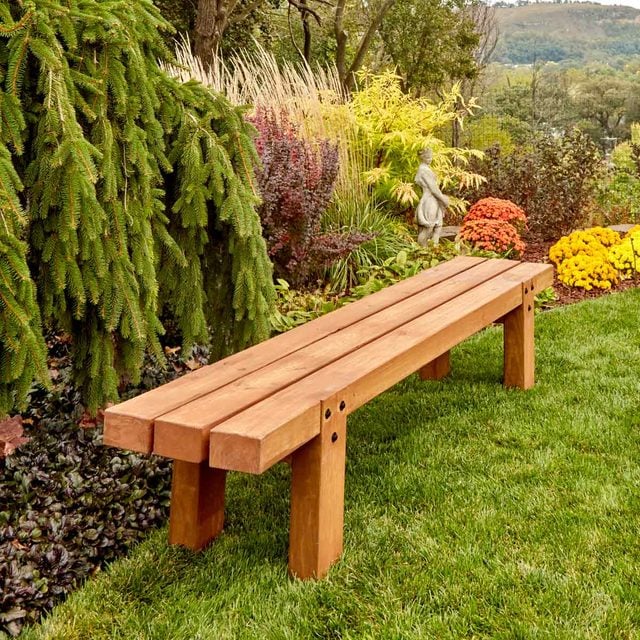
How to Build a Simple Outdoor Bench in One Weekend

Why Build Your Own Outdoor Bench?

An outdoor bench adds both function and charm to your garden, patio, or balcony. Store-bought benches can be expensive, but building your own saves money and gives you a custom piece that fits your style. With just a few tools and materials, you can complete this project over a weekend.

Materials You’ll Need

  • 2 wooden planks (for the seat and backrest)
  • 4 sturdy wooden legs (you can cut from 4×4 timber)
  • Screws or bolts
  • Drill
  • Sandpaper
  • Wood stain or paint (optional for finishing)
  • Measuring tape and pencil

Step-by-Step Instructions

1. Cut the Wood to Size
Decide how long and wide you want your bench. A standard size is about 4 feet long and 18 inches high. Cut the wood accordingly.

2. Assemble the Frame
Attach the legs to the seat plank using screws or bolts. Make sure the legs are evenly spaced and sturdy.

3. Add the Backrest
Secure a wooden plank vertically at the back of the seat to create support for your back. You can keep it straight or angle it slightly for comfort.

4. Sand and Smooth
Use sandpaper to smooth all surfaces and edges. This step prevents splinters and gives your bench a polished look.

5. Finish with Stain or Paint
If the bench will stay outdoors, apply a protective wood stain or paint. This helps prevent damage from rain and sunlight.

Design Variations

  • Add armrests for extra comfort.
  • Use recycled wood for a rustic, eco-friendly look.
  • Place cushions on top for added style and comfort.

Final Thoughts: A Weekend Well Spent

In just one weekend, you can build a practical and stylish outdoor bench that enhances your living space. It’s a rewarding DIY project for beginners and seasoned makers alike — simple, affordable, and useful for years to come.

5 Companion Planting Combos That Boost Growth Naturally

What Is Companion Planting?

Companion planting is a smart gardening technique where certain plants are grown together to support each other’s growth. Some plants repel pests, while others enrich the soil or provide shade. By pairing them correctly, you can create a healthier and more productive garden without relying heavily on chemicals.

1. Tomatoes and Basil

This classic duo works both in the garden and in the kitchen. Basil helps repel pests like aphids and whiteflies, which often damage tomatoes. In return, tomatoes provide partial shade that helps basil thrive in hot weather. Many gardeners also believe basil enhances the flavour of tomatoes when grown side by side.

2. Carrots and Onions

Carrot flies are a common problem, but planting onions nearby can help mask the carrot scent and deter these pests. Carrots also benefit onions by breaking up the soil, creating better growing conditions for both crops. This combination is a natural pest-control strategy that saves effort and money.

3. Corn, Beans, and Squash (The “Three Sisters”)

This traditional Native American method is still popular today. Corn provides a tall structure for beans to climb, beans enrich the soil with nitrogen, and squash covers the ground to keep weeds away and retain soil moisture. Together, they form a balanced mini-ecosystem that requires little maintenance.

4. Lettuce and Radishes

Lettuce grows well in cooler, shaded conditions, and radishes mature quickly, helping loosen the soil around lettuce roots. Radishes also distract pests like leaf miners, keeping your lettuce healthier. This combination ensures a continuous harvest of fresh greens and crunchy roots.

5. Cucumbers and Nasturtiums

Nasturtiums are not just pretty flowers — they act as a “trap crop” by attracting aphids and beetles away from cucumbers. They also repel cucumber beetles and improve pollination. Growing nasturtiums near cucumbers adds both beauty and protection to your garden.


Why Companion Planting Works

These combinations show how thoughtful planting can naturally improve your garden’s health and yield. By reducing pests, enriching the soil, and creating balance, companion planting offers a simple way to boost productivity while keeping your garden eco-friendly.