

Monthly Archives: February 2025

10 Quick Salad Recipes You Can Make in Under 10 Minutes

Why Quick Salads?

Salads are often seen as side dishes, but with the right ingredients, they can be full meals on their own. The best part is that they’re quick to prepare, refreshing, and packed with nutrients. Perfect for busy weekdays or when you just want something light and fuss-free.


1. Classic Greek Salad

A mix of cucumber, cherry tomatoes, red onion, olives, and feta cheese, dressed with olive oil and oregano.

2. Caprese Salad

Fresh mozzarella, sliced tomatoes, and basil leaves drizzled with balsamic glaze — simple yet elegant.

3. Chickpea and Cucumber Salad

Combine canned chickpeas with cucumber, parsley, lemon juice, and olive oil for a protein-packed dish.

4. Spinach and Strawberry Salad

Baby spinach, sliced strawberries, and walnuts topped with a light balsamic vinaigrette.

5. Tuna and Sweetcorn Salad

Canned tuna, sweetcorn, red onion, and mayo mixed together for a filling salad wrap or side.

6. Asian-Inspired Sesame Salad

Shredded cabbage, carrots, and spring onions tossed in sesame oil, soy sauce, and rice vinegar.

7. Avocado and Tomato Salad

Chunks of avocado, tomatoes, red onion, and coriander with a squeeze of lime juice.

8. Lentil and Feta Salad

Cooked lentils (or canned), crumbled feta, cucumber, and mint for a hearty, protein-rich option.

9. Apple and Walnut Salad

Crisp apple slices, walnuts, and mixed greens topped with honey mustard dressing.

10. Simple Garden Salad

A quick mix of lettuce, cucumber, tomato, and carrots with your favourite dressing.


Tips for Faster Prep

  • Keep canned beans, chickpeas, and tuna stocked in your pantry.
  • Pre-wash and store leafy greens in the fridge.
  • Invest in a sharp knife or slicer for quick chopping.

Final Thoughts: Healthy Eating Made Easy

Salads don’t have to be boring or time-consuming. With just a few fresh ingredients and less than 10 minutes, you can enjoy a variety of tasty, healthy meals any day of the week.

DIY Raised Garden Bed Using Recycled Wood

Why Build a Raised Garden Bed?

Raised garden beds are an excellent way to organise your garden, improve soil quality, and reduce weed problems. They also make gardening more accessible by reducing the need to bend down. The best part? You don’t need to spend much — with recycled wood, you can create a sturdy, eco-friendly garden bed at little to no cost.

Materials You’ll Need

  • Recycled wooden planks (from pallets, old furniture, or scrap wood)
  • Screws or nails
  • Drill or hammer
  • Saw (if cutting is needed)
  • Measuring tape
  • Optional: landscaping fabric to line the base

Step-by-Step Instructions

1. Measure and Cut the Wood
Decide the size of your bed. A common size is 4 feet by 2 feet with a height of 12–18 inches. Cut your planks to the right length.

2. Build the Frame
Lay out the planks to form a rectangle. Attach the corners securely with screws or nails. Reinforce with extra wood pieces if needed for stability.

3. Choose the Location
Place your garden bed in a sunny spot with good drainage. Make sure it’s level so water doesn’t pool on one side.

4. Prepare the Base
Line the bottom with cardboard or landscaping fabric to suppress weeds. This also helps retain soil while allowing drainage.

5. Fill with Soil
Use a mix of compost, topsoil, and potting mix. This creates nutrient-rich soil that supports strong plant growth.

6. Plant and Enjoy
Now comes the fun part — fill your bed with vegetables, herbs, or flowers of your choice. Raised beds warm up faster in spring, giving your plants a head start.

Extra Tips

  • Use untreated wood to avoid chemicals leaching into your soil.
  • Add mulch on top to retain moisture and reduce weeds.
  • If using pallet wood, ensure it’s heat-treated and safe for gardening.

Final Thoughts: Sustainable Gardening Made Easy

A DIY raised garden bed is a satisfying project that combines sustainability with practicality. By using recycled wood, you save money, reduce waste, and create the perfect space for growing your own fresh produce right at home.

How to Start a Balcony Garden with Limited Space

Why a Balcony Garden?

Many people living in apartments or urban areas think gardening is out of reach, but a balcony garden can prove otherwise. Even with limited space, you can create a lush, green corner that brings nature closer to home. Besides improving the view, plants also purify the air and add a touch of calm to your daily routine.

Assess Your Balcony Space

The first step is to observe how much sunlight your balcony receives. Some plants need full sun (6–8 hours), while others thrive in partial shade. Also, check if your balcony has weight restrictions before adding large pots. Knowing these factors will help you choose suitable plants and containers.

Choose the Right Plants

For beginners, herbs such as basil, mint, and parsley are excellent choices since they grow quickly and are useful in the kitchen. Small vegetables like cherry tomatoes, chilli, and lettuce do well in pots, while flowers like petunias or marigolds brighten up the space. Always choose plants that match your light conditions and climate.

Get Creative with Containers

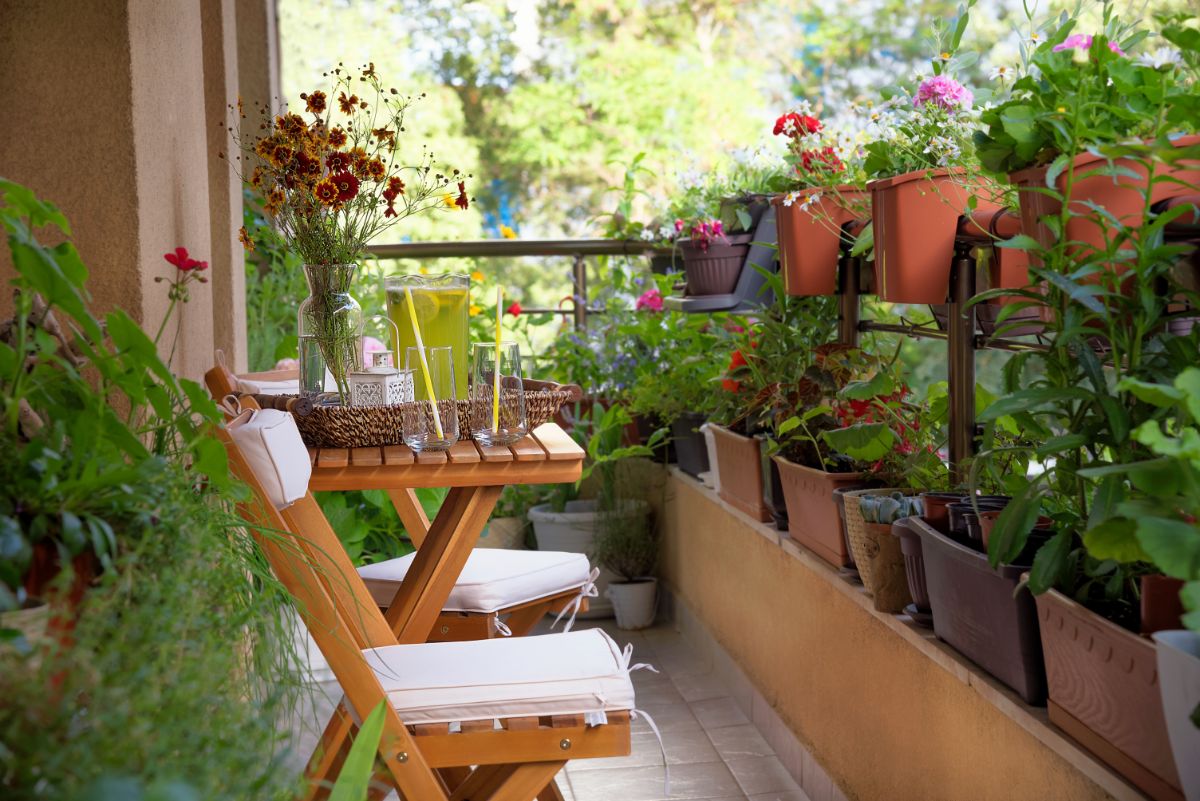
Balcony gardening is all about maximising vertical and horizontal space. Use railing planters, hanging baskets, or wall-mounted shelves to create more room. Even recycled items like old buckets, wooden crates, or tin cans can be transformed into charming plant containers. Make sure they have proper drainage holes to prevent waterlogging.

Soil and Watering Tips

Use a high-quality potting mix instead of garden soil, as it drains better and keeps plants healthy. Since potted plants dry out faster, regular watering is key, but avoid overwatering. A simple tip is to stick your finger about an inch into the soil — if it feels dry, it’s time to water.

Add Personal Touches

Your balcony garden doesn’t just have to be practical; it can also reflect your style. Add fairy lights, small garden ornaments, or a foldable chair to create a mini retreat. With the right touches, your balcony can double as a relaxing spot for reading, tea, or simply enjoying the greenery.


Final Thoughts: Turning Small Spaces into Green Oases

Starting a balcony garden is easier than most people think. With the right plants, containers, and a little creativity, even the smallest balcony can become a vibrant and productive space. It’s a rewarding way to bring nature into your daily life while making the most of limited space.